
The Essentials
Just quickly, what are we consistently teaching and what are we hoping just happens...?

One of our sons has additional needs (you know this by now) and one of our sons doesn’t. Both boys have a very different skill set and you can almost guarantee what one of them excels at, the other doesn’t. Which is GREAT (in my opinion). They can each shine in their own ways and while competitiveness is always at a high because I live with an Olympian and it runs in their blood, they’re also very happy to watch the other do well… probably because they know they can’t do it very well anyway.
One of our sons, I’d describe as very competent. He picks things up easily, is very chilled and just figures it all out. He’s very practical and kind of learns as he goes. This has probably lulled us in to somewhat of a parenting style where we have to prompt each other to actually demonstrate to the other two ‘THIS IS HOW YOU DO THINGS’. Otherwise we forget. Or y’know, assume they’ll figure it out too.
Our son who has additional needs is still pretty competent but is also very happy to cut corners or make life easier for himself. He actually doesn’t want to figure stuff out a lot of the time and I tend to assume thats because the rest of life is quite challenging so he’s finding ways to make life easier all-round. I don’t mind that.
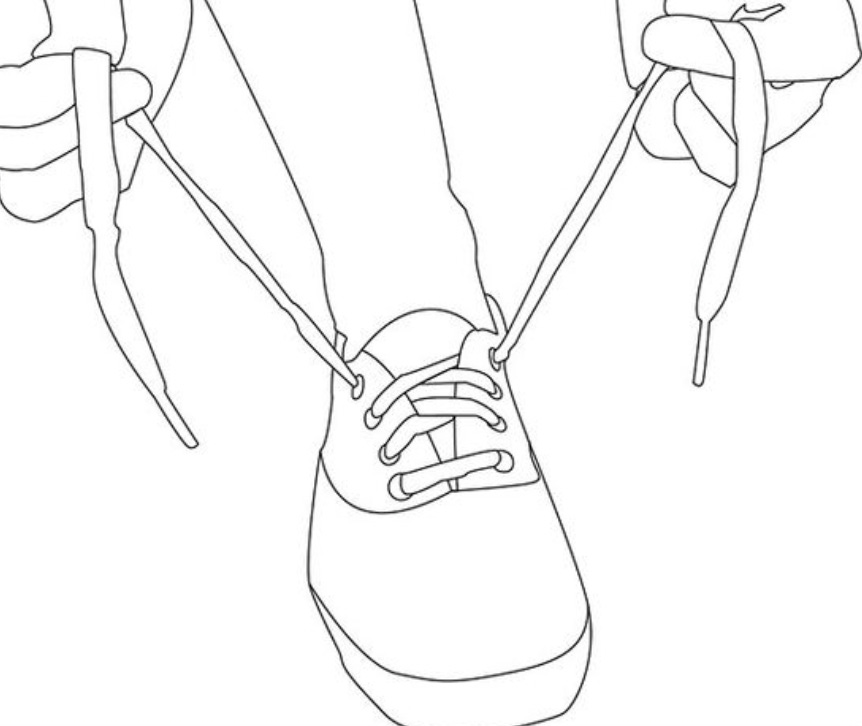
It does mean we still haven’t yet got to the point where he can tie his own shoelaces and he still prefers slip ons. That’s fine, we’re working on it. He writes in an entirely different way to how my brain would think was logical - it’s almost as though he’s left-handed, which he isn’t. He writes everything in the opposite way to how I’d begin a letter and it’s so interesting to watch.
Teeth-brushing, showering, putting clothes in the dirties basket, picking up after himself, doing chores without acting as though I’ve asked him to walk from Lands End to Edinburgh… it’s all stuff we have to keep an eye on daily, but he’s doing well and should hopefully grow in to an adult who doesn’t wee in bottles and leave them on his bedroom floor.
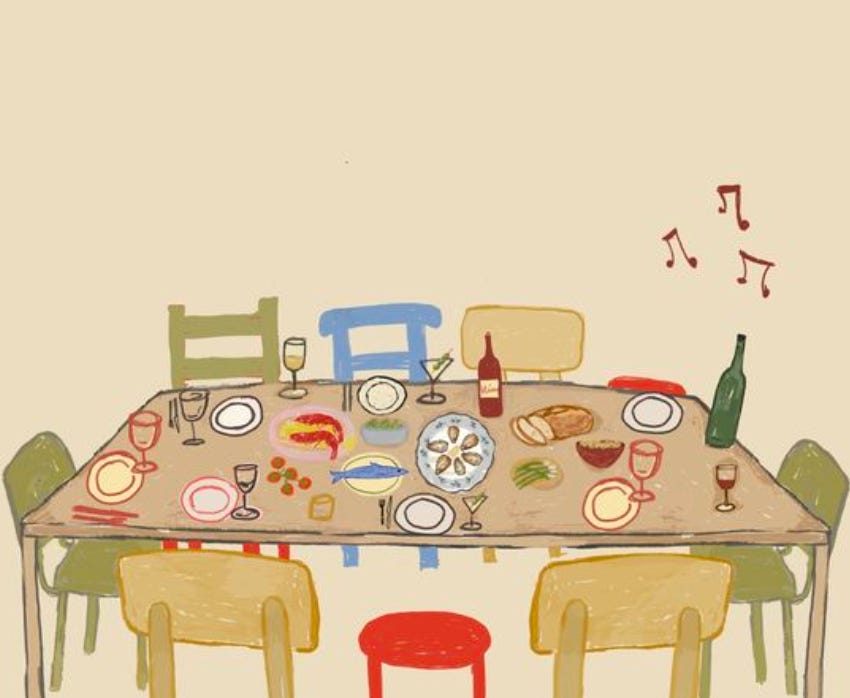
One thing I have spotted though, while sitting with him at dinner time, is that he never uses a knife.
When I pointed this out he remarked ‘oh, is the fork meant to go in this hand?!’ and I responded ‘yes’… while showing him my hands… and he burst out laughing - ‘that is CRAZY. I’d never hold it like that’ and he went back to using one singular fork to pick up huge chunks of meat and entire potatoes which he just nibbles mouthfuls from.
It got me wondering why I hadn’t noticed it before. We eat dinner as a family almost every night (sport club commitments dependent) and we dine out regularly. I was confused as to how I’d never really noticed his entire lack of interest in one very useful part of his cutlery routine before so I asked him about it.
‘I could use a knife but it just adds work doesn’t it? Why would I chop it up when I can just spear it and use my mouth?’
The logic is there and who am I to argue with it? At least his elbows were off the table.
Thank you Susie for the humor and tenderness threaded through this piece. It captures parenting not as instruction, but as constant recalibration. What resonated for me is the quiet realization that modeling isn’t enough for everyone and that noticing what we haven’t noticed is often the real work.
One reflection your piece sparked is that teaching fundamentals isn’t about preparing kids for adulthood. It’s about reducing future friction. Small skills quietly widen a child’s world, not by making them “better,” but by making life less effortful.
It took my autistic daughter years to sort out using a knife, despite repeated attempts to teach her. She’s 16 now and still usually only uses a fork most of the time. She has the additional difficulty of hating metal cutlery on plates, the sound sends her off on one, so plastic cutlery is used at home, except when the boyfriend comes round and eats food with us!!